Care on the Road: How a Caregiving Family Travels
Experience, from our family to yours
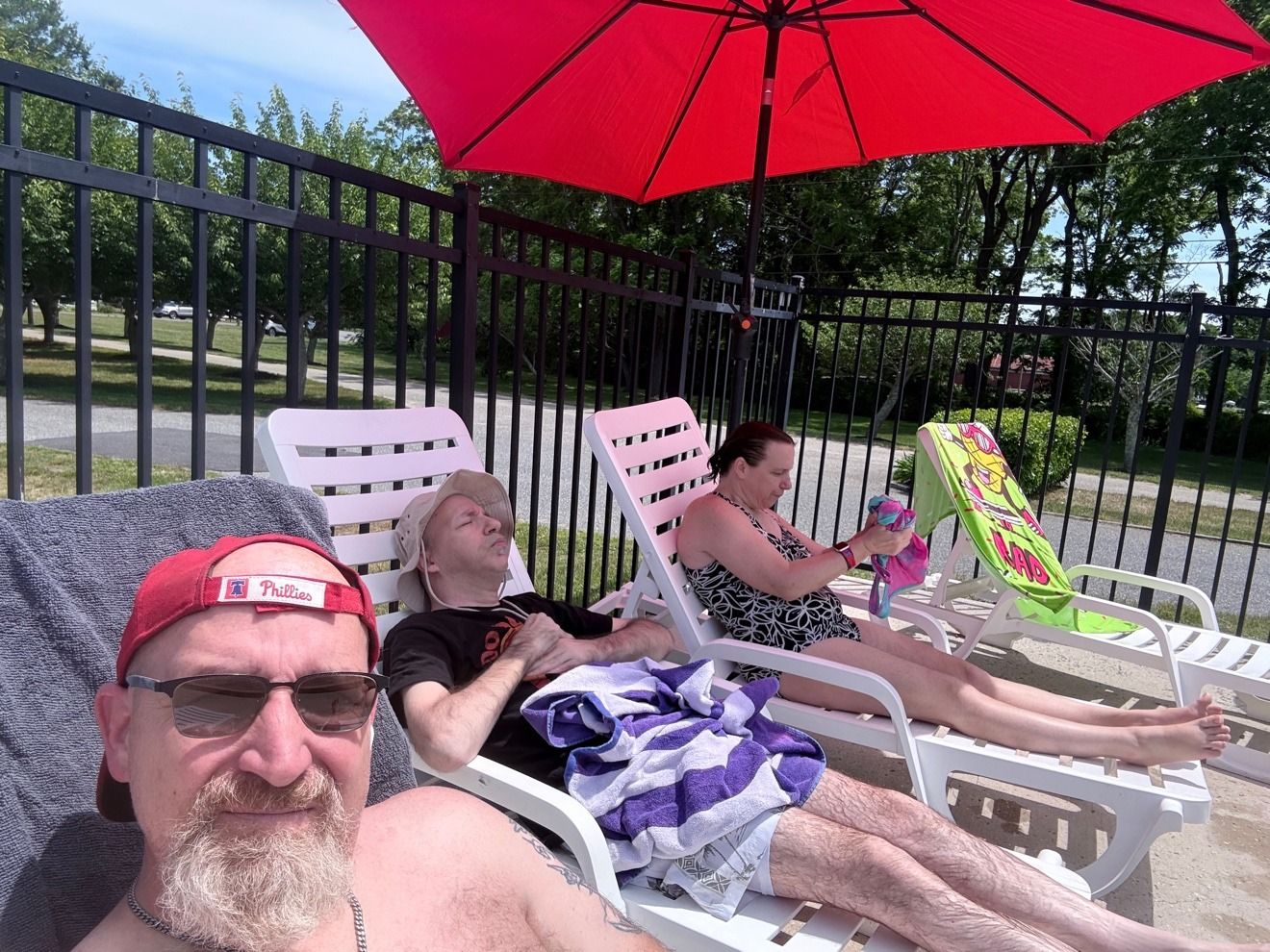
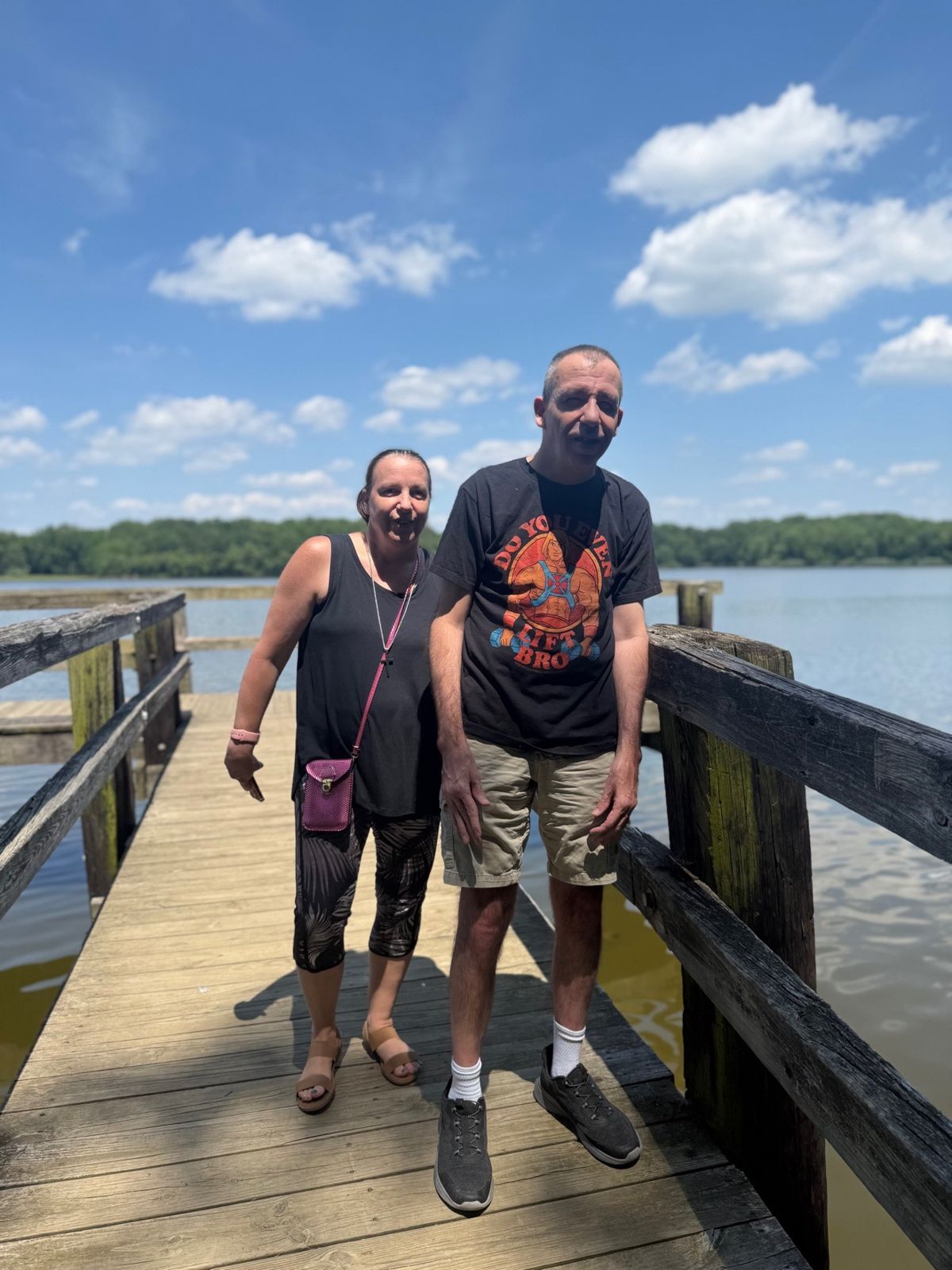
We care for my brother and my sister full-time, and we do it at home 24 hours a day. The RV did not change that job. It changed the scenery the job happens in, and that turns out to matter more than we expected.
Routines travel first
Care runs on routine: medications at their times, meals at their times, rest at its time. On the road, the routine is the first thing we pack and the last thing we change. Same wake-up order, same setup steps at every site, same evening pattern inside a different view out the window. J&J settle fast when the rhythm holds. When we have let the rhythm slip for a pretty sunset or one more hour of driving, the next day has billed us for it, every time.
The 160-mile day is a care decision
We plan travel days of about 160 miles, roughly three hours. Other RVers laugh at that number until they hear the reason: three hours is what keeps everybody, including the driver who is also a caregiver, rested enough to set up camp safely and start care on time. Long days do not save money or time for us. They spend tomorrow.
Space, arranged like home
Inside the rig, everything care-related has one home: medications in one place, supplies in one place, the things each of them reaches for where their hands expect them. A small space rewards that discipline and punishes anything else. Families ask about square footage. The honest answer is that familiarity matters more than footage.
The reset is real
And then there is the part no checklist captures. New air. A fire. A pier, a pond, a field of nothing happening. Our brother and sister light up out here in ways the house cannot give them, and so do we. RVing has been our escape and our reset since this life began, and it is why this site exists: so other families like ours can see the numbers, the work, and the worth of it, counted honestly.
Related: our story, and what one trip costs, because care decisions and cost decisions are the same decisions.